
















The island of Aphrodite-Cyprus venus
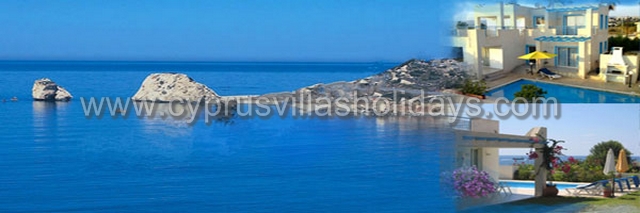
It was around 1200 BC when Aphrodite, Goddess of Love and
Beauty, emerged from the gentle jade-colored sea foam at
Petra tou Romiou, a boulder that juts up from the south
coast of Cyprus as majestically today as it did then. The
name Aphrodite, in fact, means “foam born.” She was the most
ancient goddess in the Olympian pantheon.
An awestruck Paris,
son of King Priam of Troy once gave Aphrodite a golden apple
in recognition of supreme beauty, unmatched by the other
goddesses.
Zeus put
Aphrodite in charge of wedlock and arranged her marriage to
the good but ugly craft-god Hephaistos. She took solace in
the strong arms of Ares, god of war. But the ultimate key to
her heart was not strength, but sweetness - and this she
found in Adonis.
Eros,
Aphrodite's son, accidentally wounded her bosom with one of
his arrows. Reeling from the wound, she took solace in her
mineral pool, the famed Baths of Aphrodite on the Akamas
Peninsula of Cyprus. The hunter Adonis was within sight that
day, and the love he inspired in Aphrodite was the greatest
and most painful she would ever know.
She told the
proud mortal (who was born from a myrrh tree): "Your youth
and beauty will not touch the hearts of lions and bristly
boars. Think of their terrible claws and prodigious
strength!". But Adonis did not heed his beloved's
admonition. While Aphrodite was out spreading the spirit of
love and beauty, Adonis pursued a boar which proceeded to
trounce and kill him with his tusks. Little did he know this
was a jealous Ares in disguise. Aphrodite heard his cries
from her swan-drawn chariot, high above the
island's highest
forested peaks. Once by his side, she summoned the nymph
Menthe (the mint spirit), who sprinkled nectar on his blood,
and then by a process as yet unclassified by scientists red
anemones sprang forth. The flowers' blossoms are opened by
the same wind that scatters their petals. (Anemos in Greek
means wind.) And yet, each spring, they rise again from the
fertile soil of Cyprus. Is it Aphrodite's tears that coax
the anemonies
into bloom?
It was the
Italian poet Arioste who named "Fontana Amorosa" the natural
spring on the Akamas Peninsula from which Aphrodite used to
drink. Take a sip from it and even today love may
materialize. A riot of green in the spring, the fountain is
accessible via a beautiful hiking path on the Akamas.
A goddess of
inestimable allure, Aphrodite was bound to attract a
following, and sure enough, in the 12th century BC, an
elaborate sanctuary was built in her honour her at Palea
Pafos (present-day Kouklia) - the most significant of a
dozen such consecrated sites in Cyprus. Amphoras and
ceremonial bowls from here, many of which are on display in
the Cyprus Museum in Lefkosia (Nicosia), depict exquisitely
costumed priestesses as well as erotic scenes from the
sacred gardens that once surrounded the temple. While some
accounts have young women congregating at the site to
ritually sacrifice their virginity, sacred prostitution was
the likelier scenario. According to Herodotus, every girl
had to make a pilgrimage to the sanctuary and there make
love to a stranger. The girls would sit in the sacred
gardens wearing crowns of rope and wait for men passing by
to choose them. A man would throw an offering at the feet of
his preferred "pilgrim" and utter the words "I invoke the
goddess upon you," whereupon the sacrificial act would be
consummated.
While Herodotus
was given to overstatement, it is no exaggeration to say
that the Sanctuary of Aphrodite was among the most revered
and frequented temples of the ancient world.
Cyprus Aphrodite
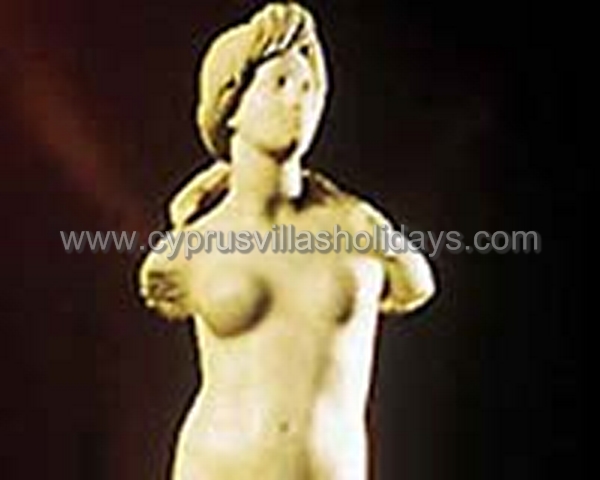
Aphrodite-venus
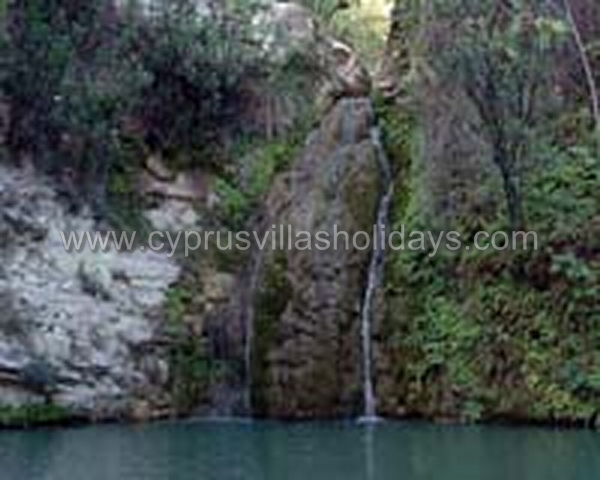
Petra tou Romiou
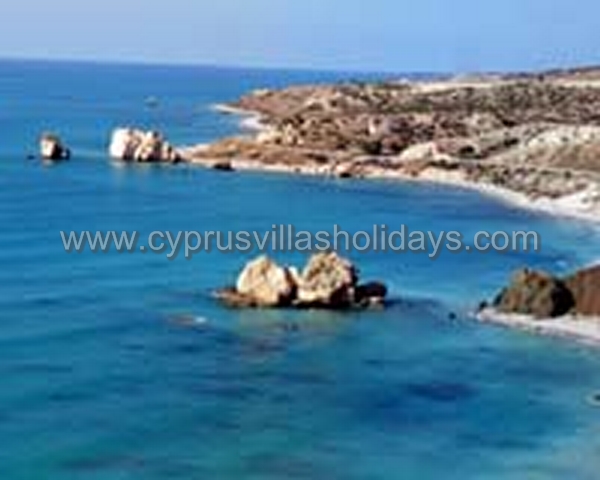
Aphrodite
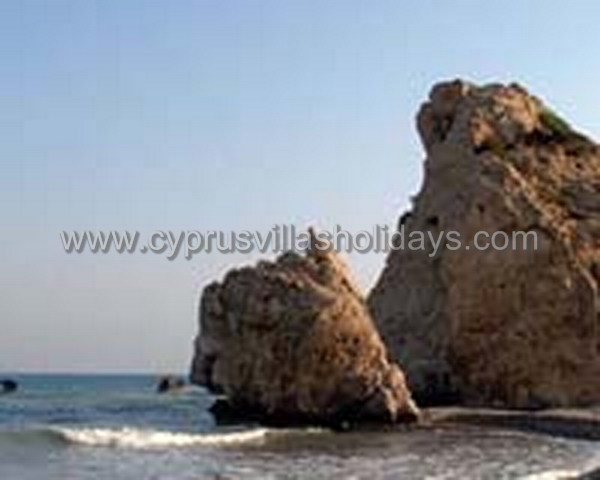
Aphrodite cyprus
Cyprus Car hire
Κατασκευή Ιστοσελίδων
holidays villa rent Cyprus
Rent villa in Cyprus
Holiday in Greece
Τουριστικός ,Ταξιδιωτικός Οδηγός για την Κύπρο
Cyprus Car rentals
Οδηγός διακοπών holidays villas
Cyprus Airport Transfers
villa Cyprus
MP-SHOPS
SALE CYPRUS CAR
www.e-holidays
www.nafplio